
SaaS trends
Digital independence starts with knowing which apps are running
Who actually holds a key to your company? Not to the front door, but to the apps where your company data lives.
That question sounds small, but it is where digital independence begins. People often think of the cloud or of a big vendor. We mean something closer to home: you can only stay in control yourself if you know which apps are running in your organization and who still has access. So, the programs your people use online every day.
It’s all taken care of, right?
Ask a director whether the IT partner has security covered, and the answer is usually yes. It’s with IT, so it’s fine.
We call that a false sense of security. Because in the meantime, your people are just doing their work. Someone wants to share a schedule quickly or have an AI tool rewrite a text, and creates an account with their work email. Company data ends up in it. Not out of bad intent, but because the work has to get done.
That is how a collection of apps grows that people started using on their own, without anyone having the overview. Professionals call that shadow IT. That is no reproach to IT. The traces are usually in your own Google or Microsoft environment, it is just that nobody looks at them.
What helps is curiosity. As a leader, you can ask which tools your people work with, not to check up on them, but to know. Feel free to encourage new apps and AI. It is just that what you do not know about, you cannot manage either.
Every account is a key
Say that over the years you gave a lot of people a key to your house. The neighbors, the window cleaner, a former roommate. How many keys are in circulation now? Wouldn’t you want to know who has one?
Apps work the same way. Every account is a key, and there are often more than you think. We often see companies find five to six times as many apps as they expected. First comes disbelief, then relief: at least now we know.
The keys that get forgotten fastest are those of former employees. The laptop has been handed in, the access badge too, but the account for that planning tool still works. That is why offboarding should go further than the laptop.
The outside world asks for that overview more and more often too. Regulation such as NIS2 is part of that. Even if it does not apply to you directly, customers want to know whether you can show who has access to what (more about compliance).
And the money? That is a side benefit. Gartner expects that through 2028, organizations without a central overview will overspend on online software by at least twenty-five percent (Gartner, Magic Quadrant for SaaS Management Platforms, June 18, 2026).
Your IT partner helps, the choice stays yours
Outsourcing is fine. But knowing what is running, and choosing which keys you want back, stays with you.
That is why we build Mapit together with IT partners, including partners from the KPN Partner Network. They help you go from overview to action. Mapit connects to your Google or Microsoft work environment, and a browser extension adds the apps where people sign in with a work email and their own password. You see which apps are used and who can reach them. We only look at metadata, not inside the apps themselves, and we host your data in the Netherlands. The overview updates itself every night.
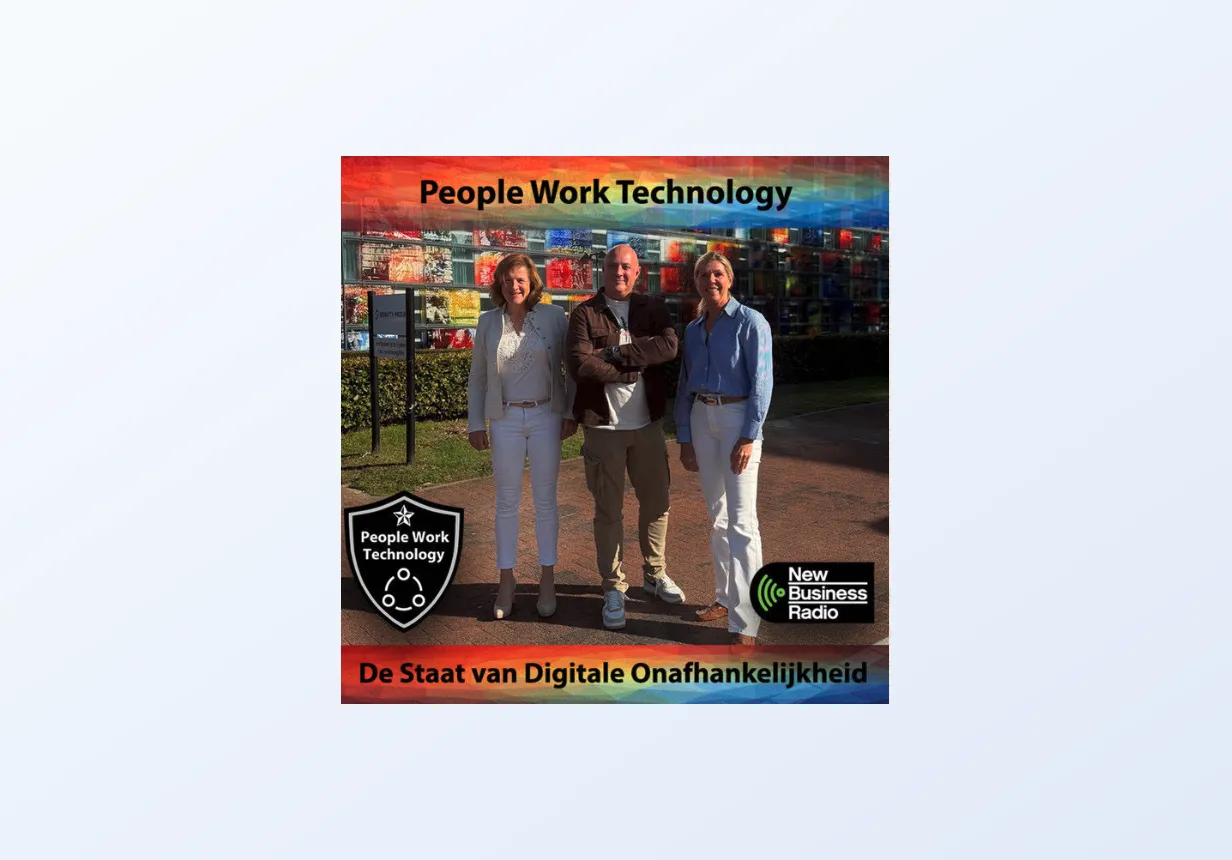
We notice it at almost every company: the relief is not in the technology, but in knowing. That feeling of “at least now we know” is something we wish every business owner. Our founder Terry Aurik talks more about it in the podcast People Work Technology (in Dutch), and on LinkedIn we share what we come across along the way.
Curious how many keys are going around at your company? See how to start.